KeraLase Hair Restoration
KeraLase is a laser-assisted hair restoration system in Scottsdale that uses laser technology to create microchannels in the scalp, enhancing topical absorption and supporting hair follicle health for androgenetic alopecia, diffuse thinning, and postpartum hair loss.

Overview
KeraLase combines fractional laser technology with topical therapeutics to address hair thinning and hair loss. The laser creates temporary microchannels in the scalp, enhancing absorption of hair growth factors and supporting follicle health. It's an effective alternative for patients seeking treatment without oral medications or injections.
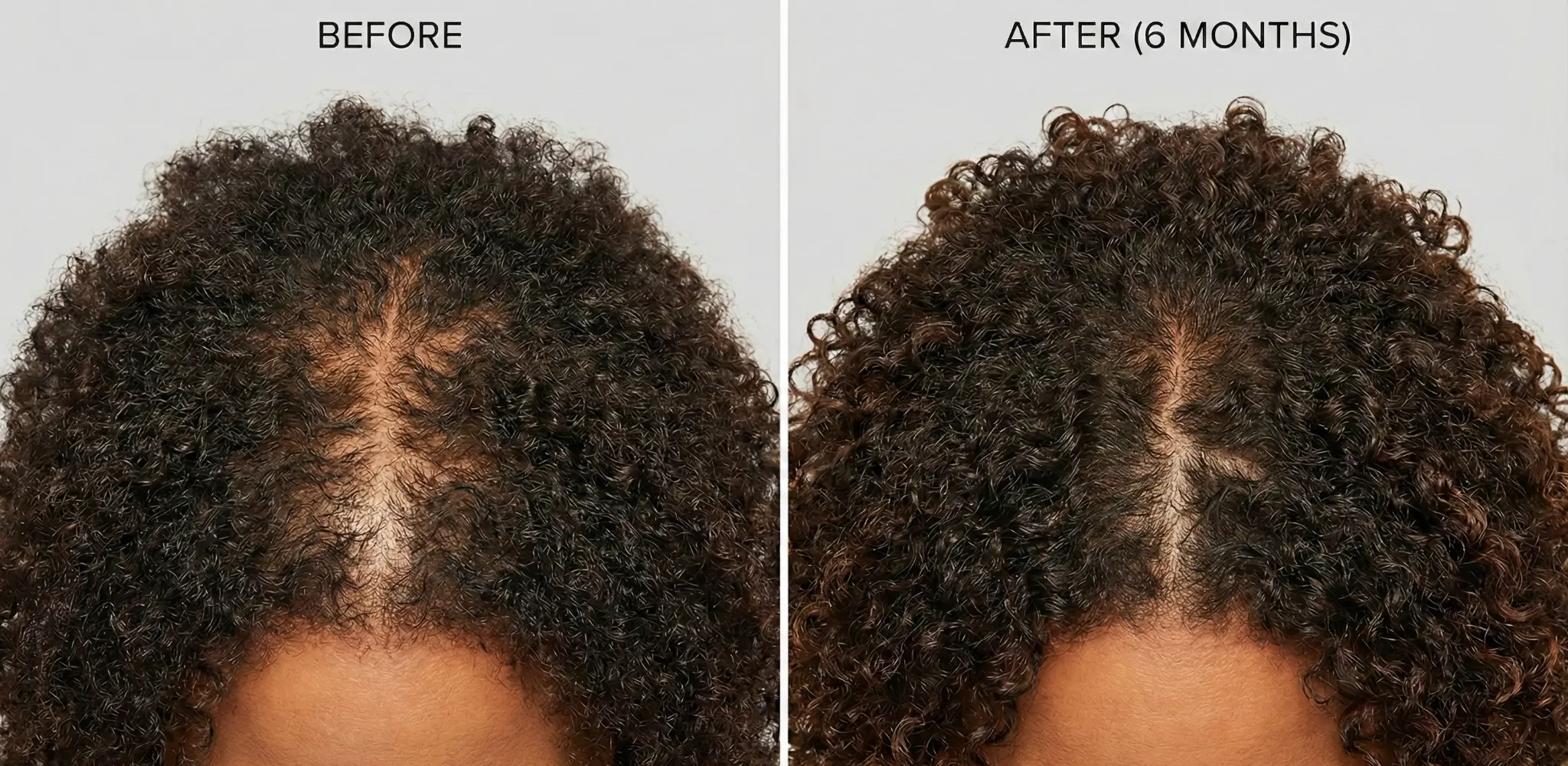
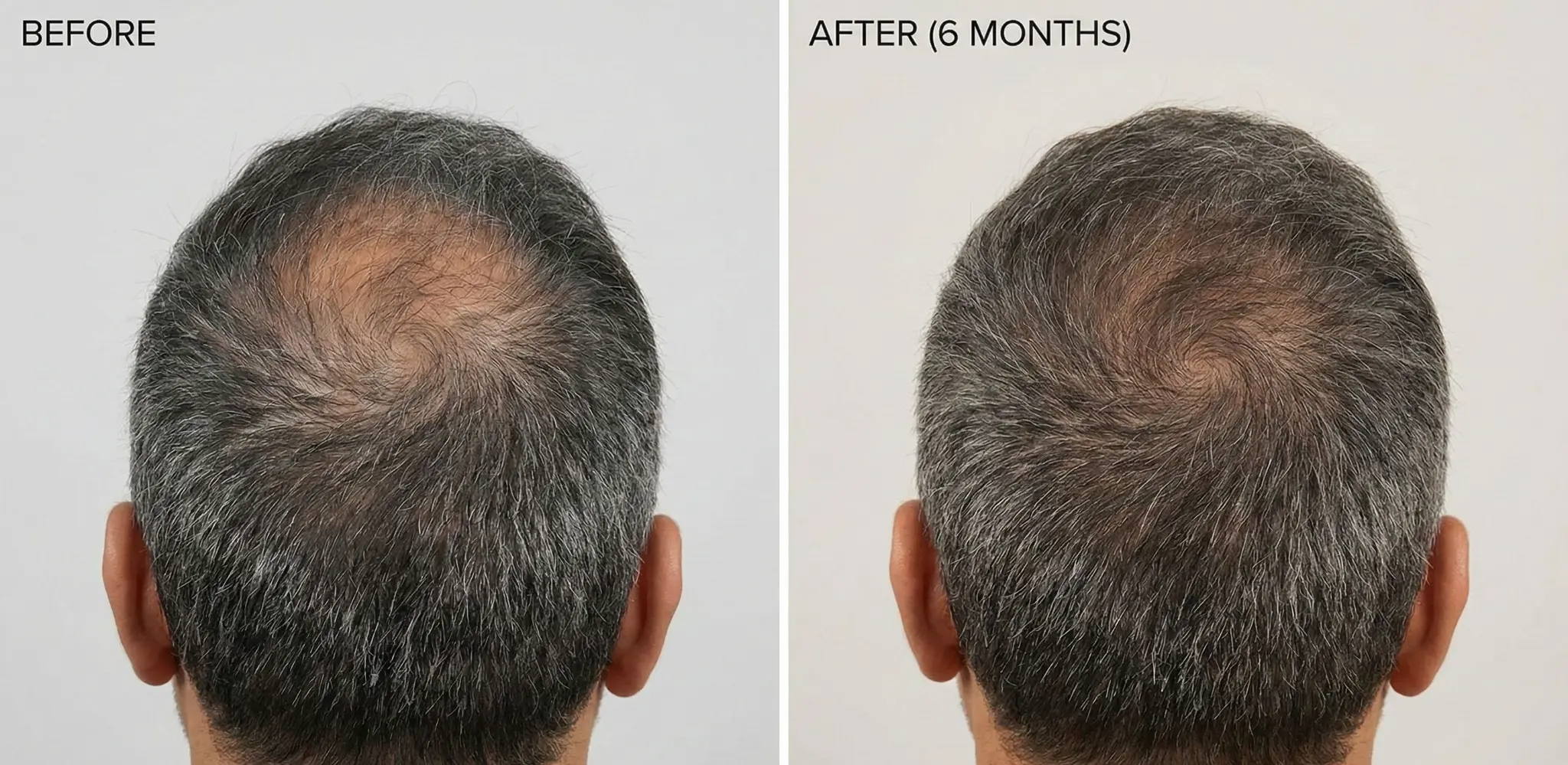
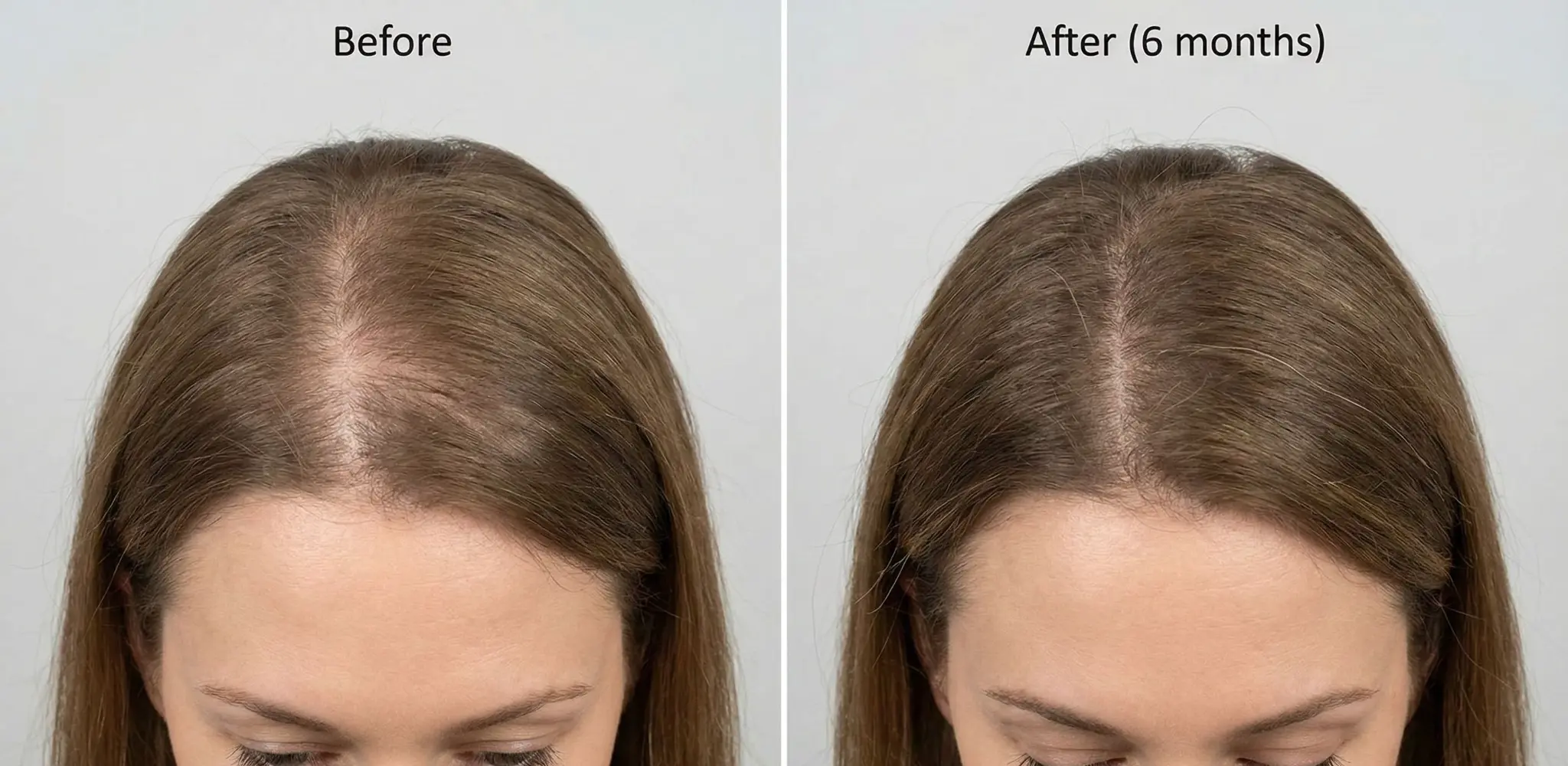
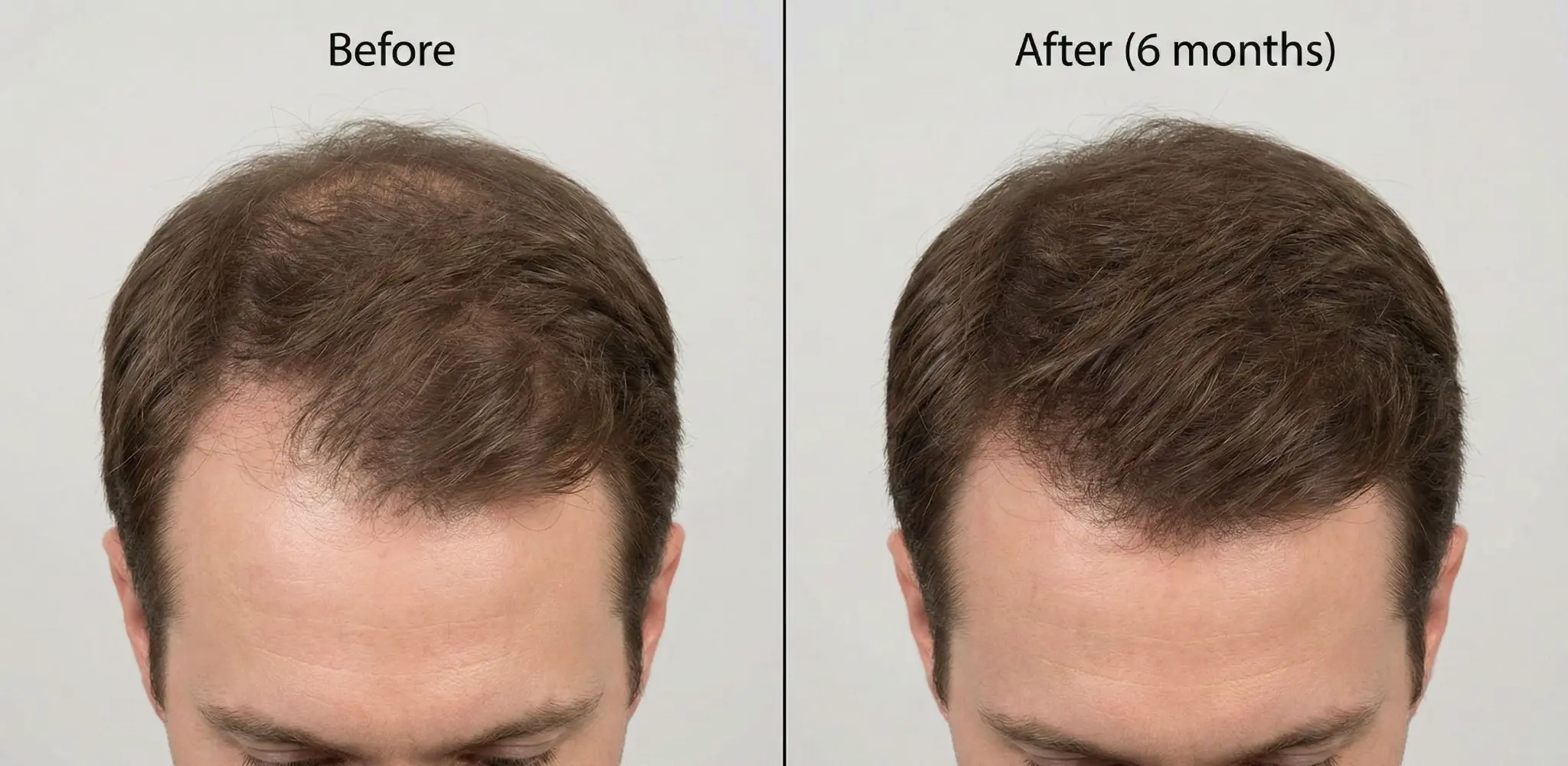
Early results show visible improvement in hair density and scalp appearance within the first few months of treatment.
How KeraLase Works
The fractional laser creates temporary microchannels in the scalp without damaging the skin surface. This enhances scalp permeability, allowing topical hair growth factors to penetrate deeply into the follicular unit.
The treatment stimulates blood flow and cellular responses that improve the environment surrounding hair follicles. This supports anagen (growth phase) progression and reduces telogen (shedding phase) dominance.
Result: Enhanced topical absorption, improved circulation, activated growth factors, and accelerated hair cycle progression.
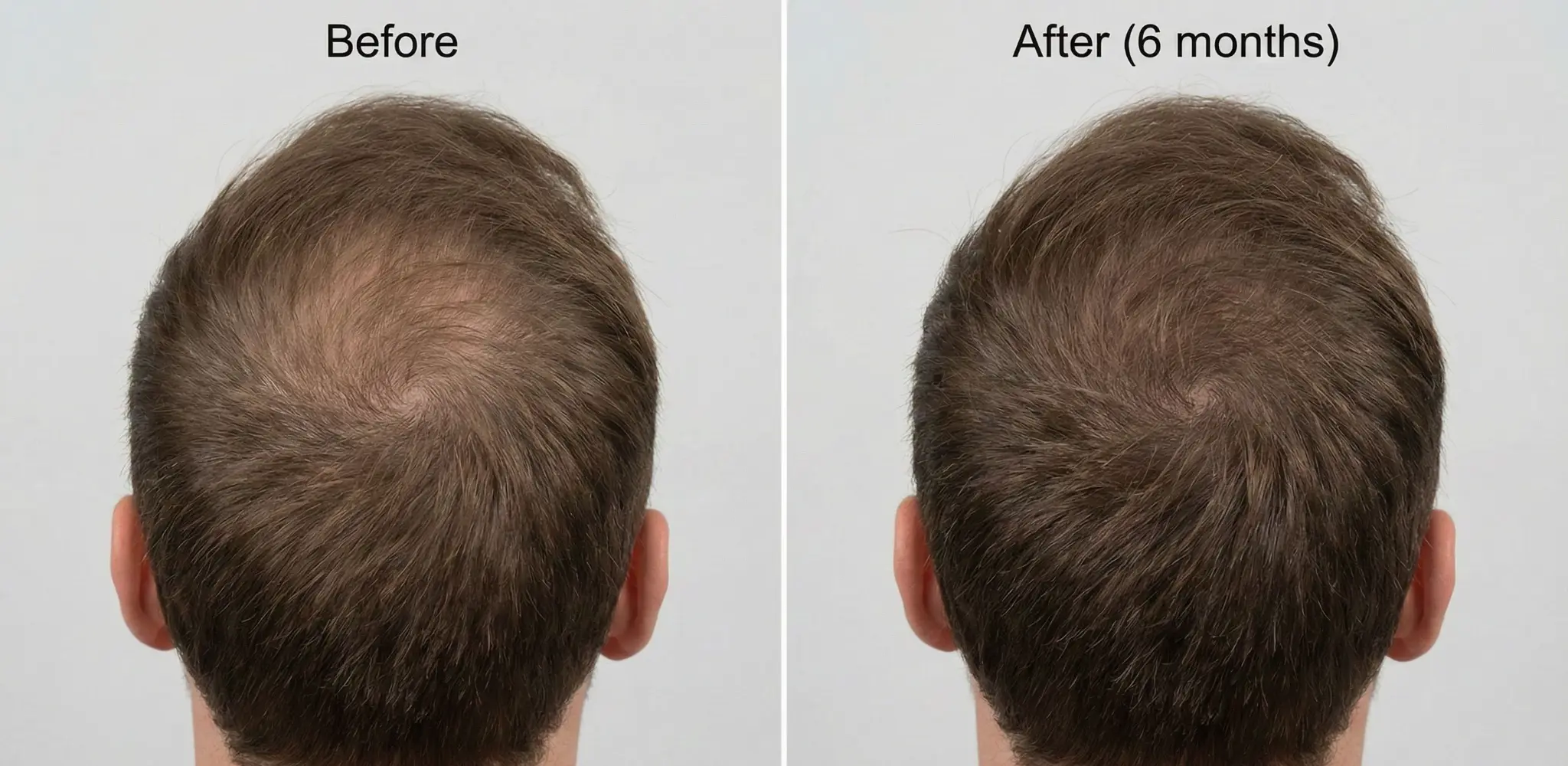
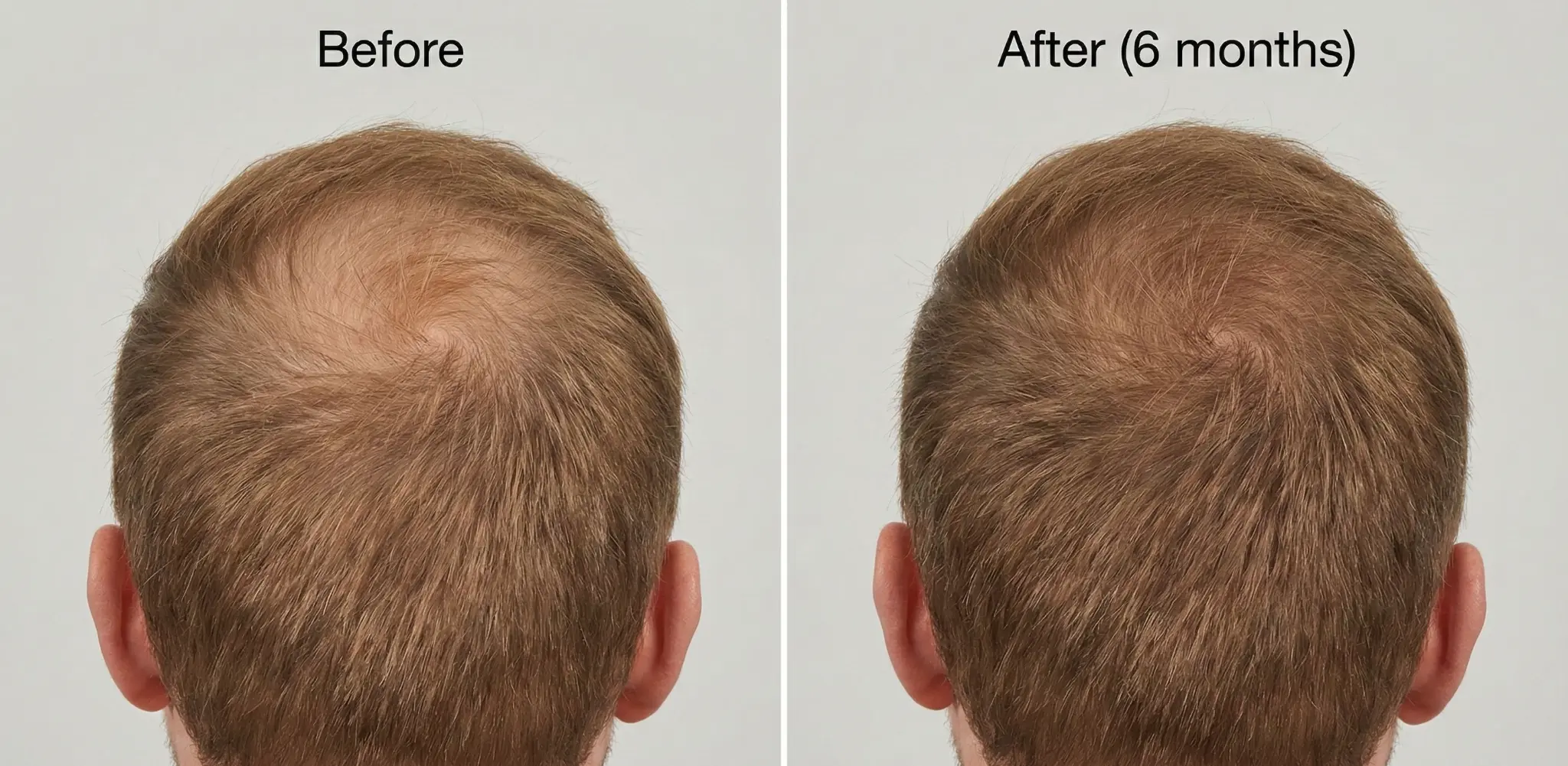
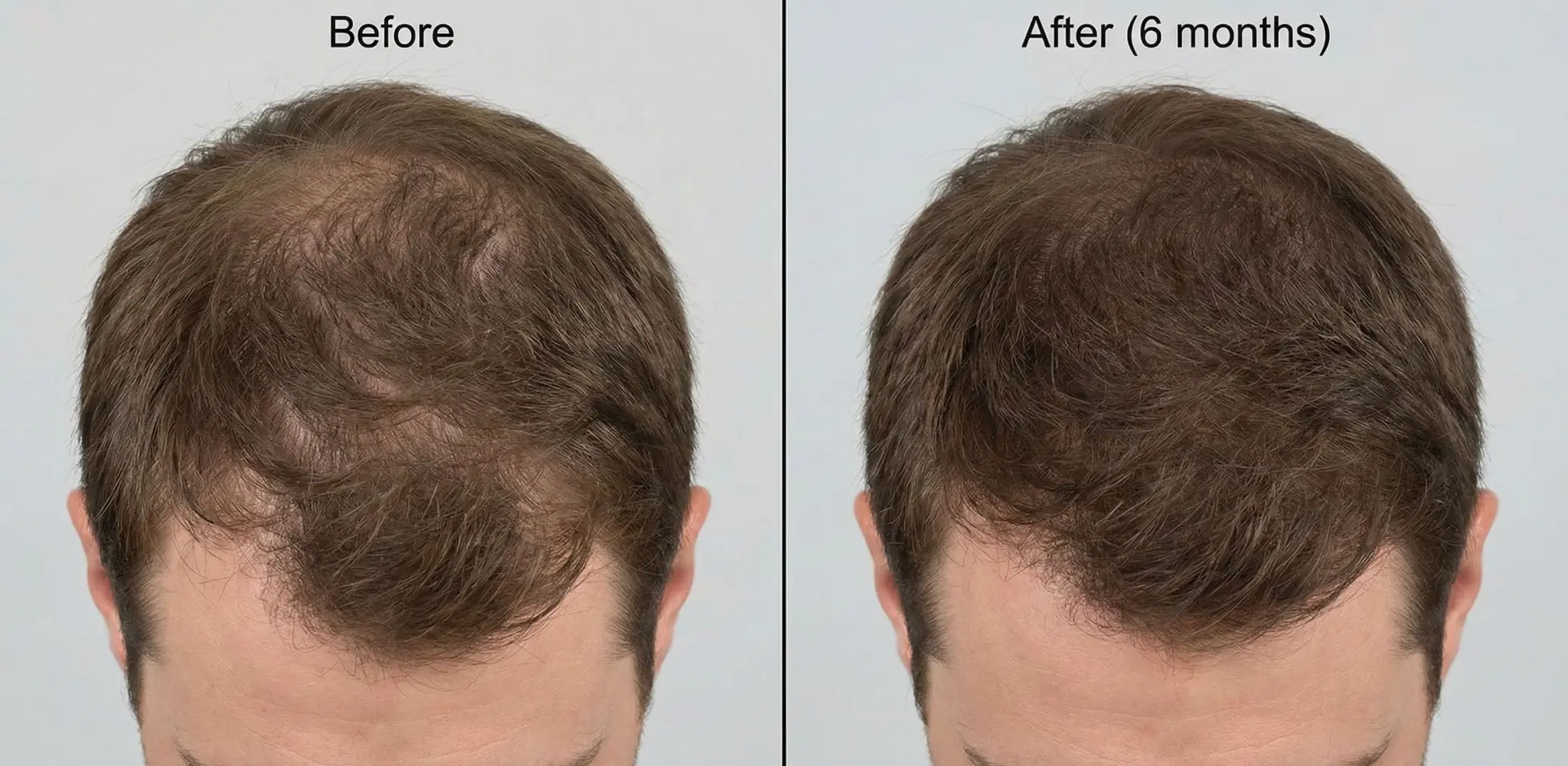
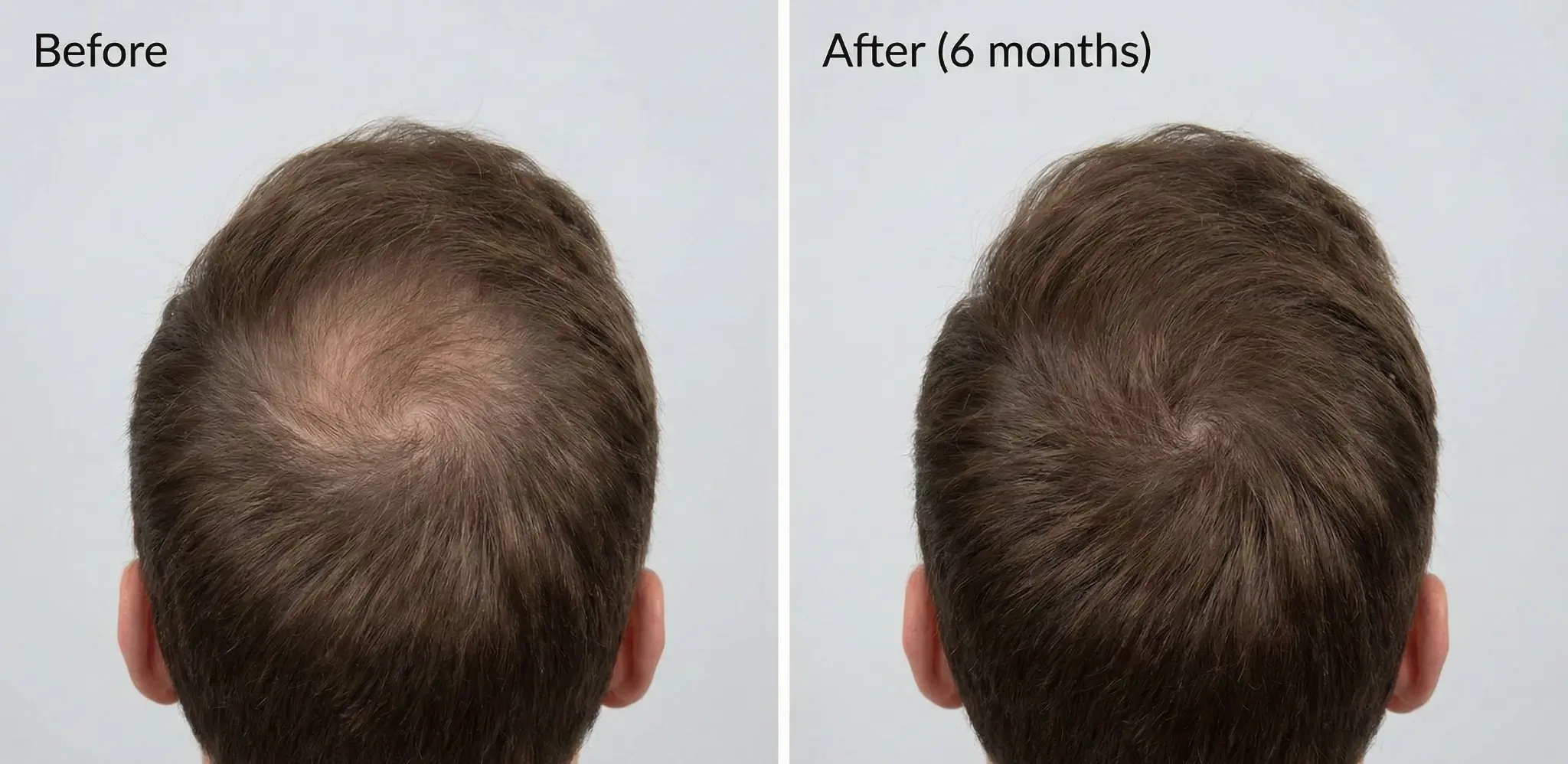
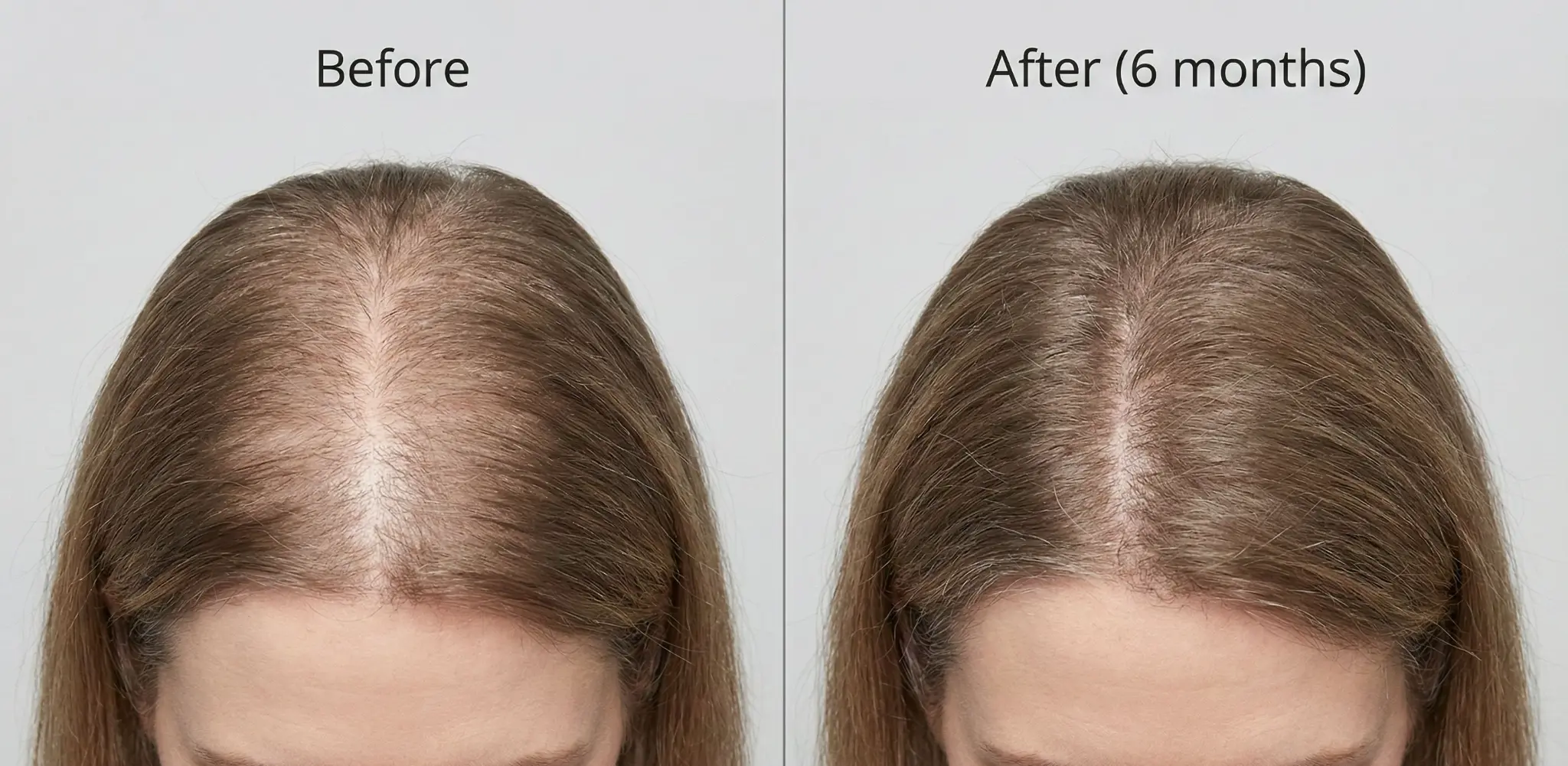
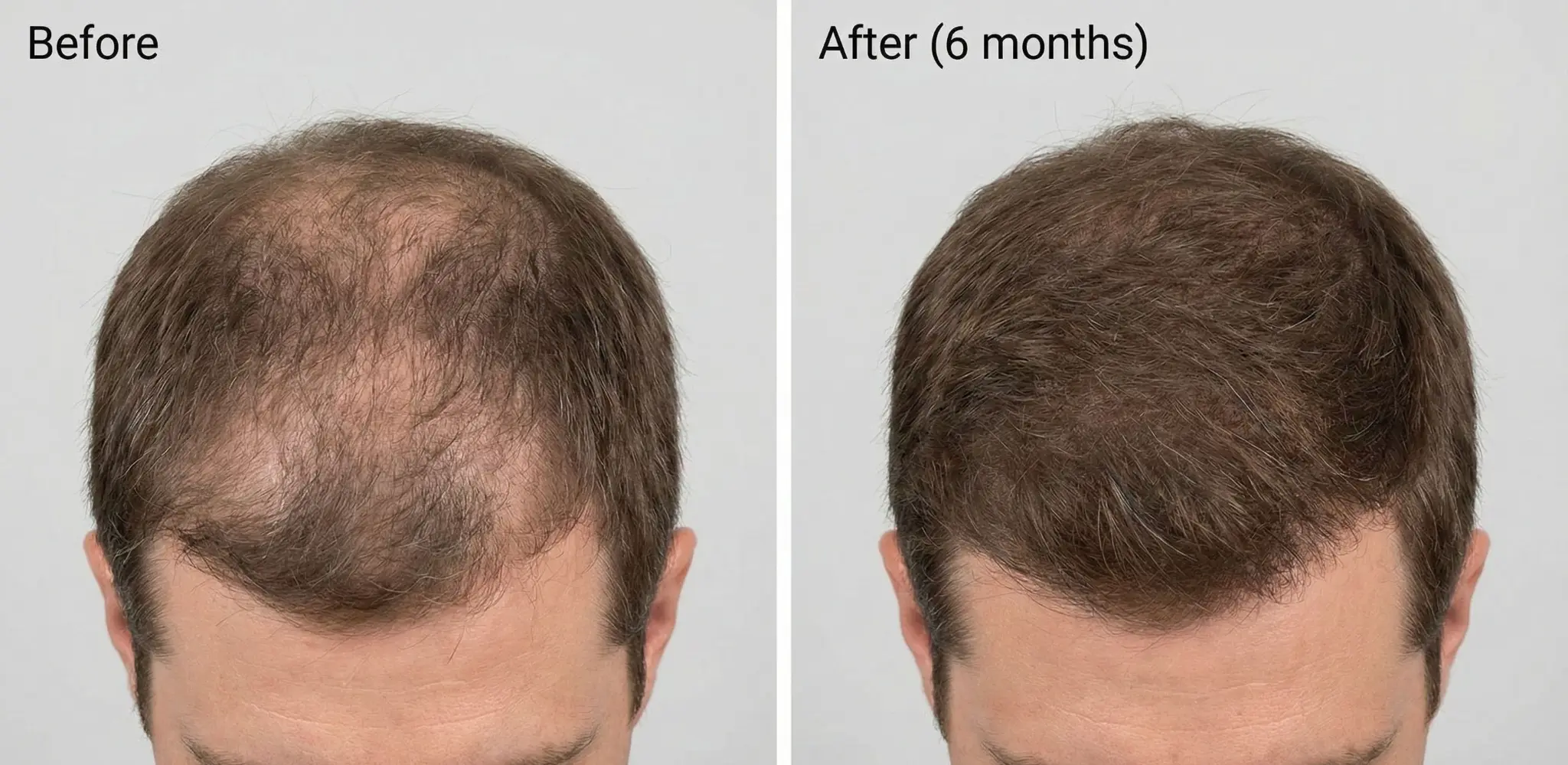
Results across diverse patient populations demonstrate KeraLase effectiveness for male and female hair restoration in Scottsdale.
KeraLase vs. PRP
KeraLase uses topical delivery with no needles or blood processing. PRP requires a blood draw, centrifugation, and injections into the scalp.
Comfort: KeraLase is painless with no downtime. PRP involves injection discomfort and possible bruising for 24-48 hours.
Best for: KeraLase suits early to moderate hair loss and patients preferring non-injection treatment. PRP is better for advanced hair loss or those seeking more aggressive intervention.
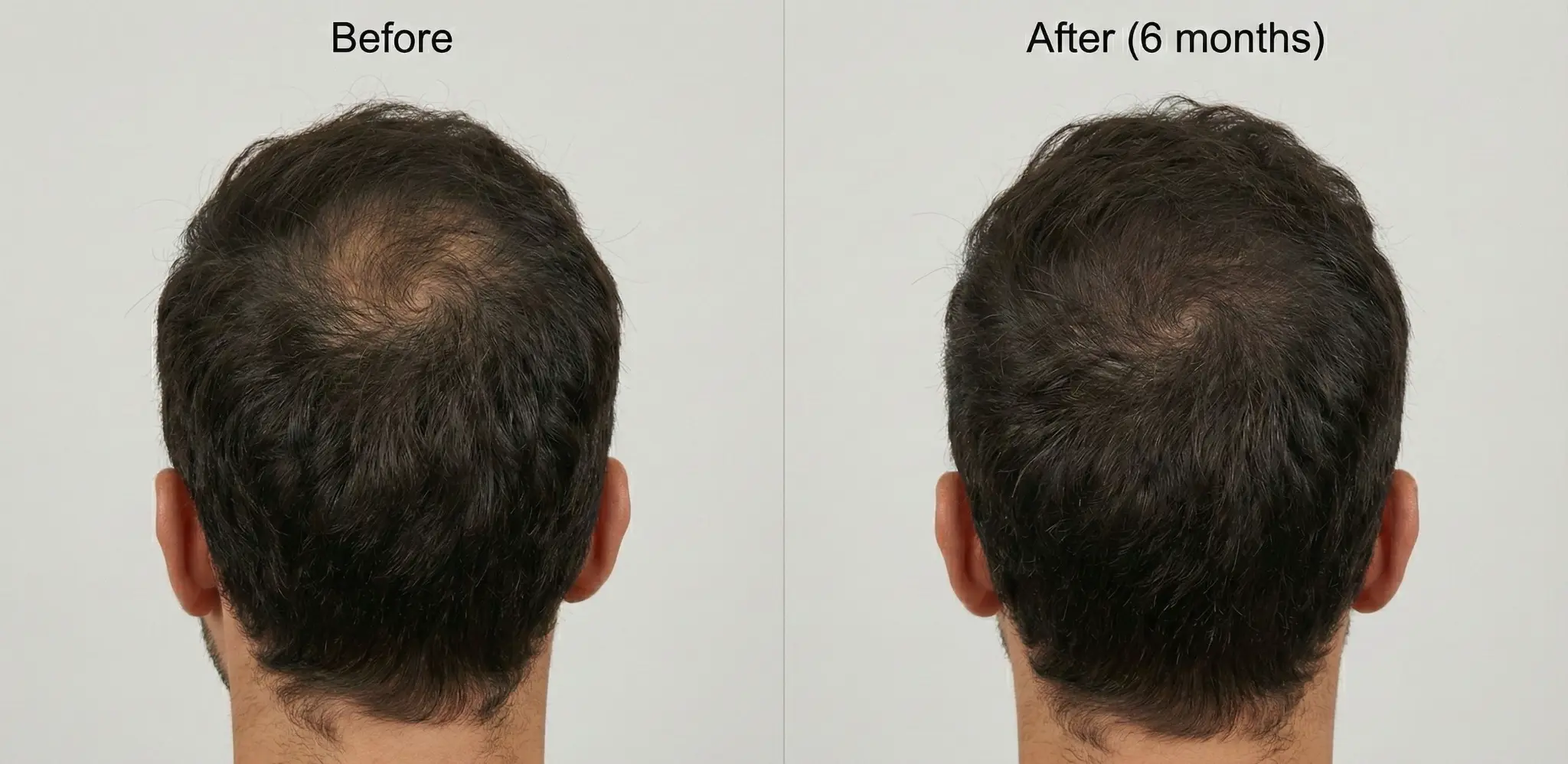
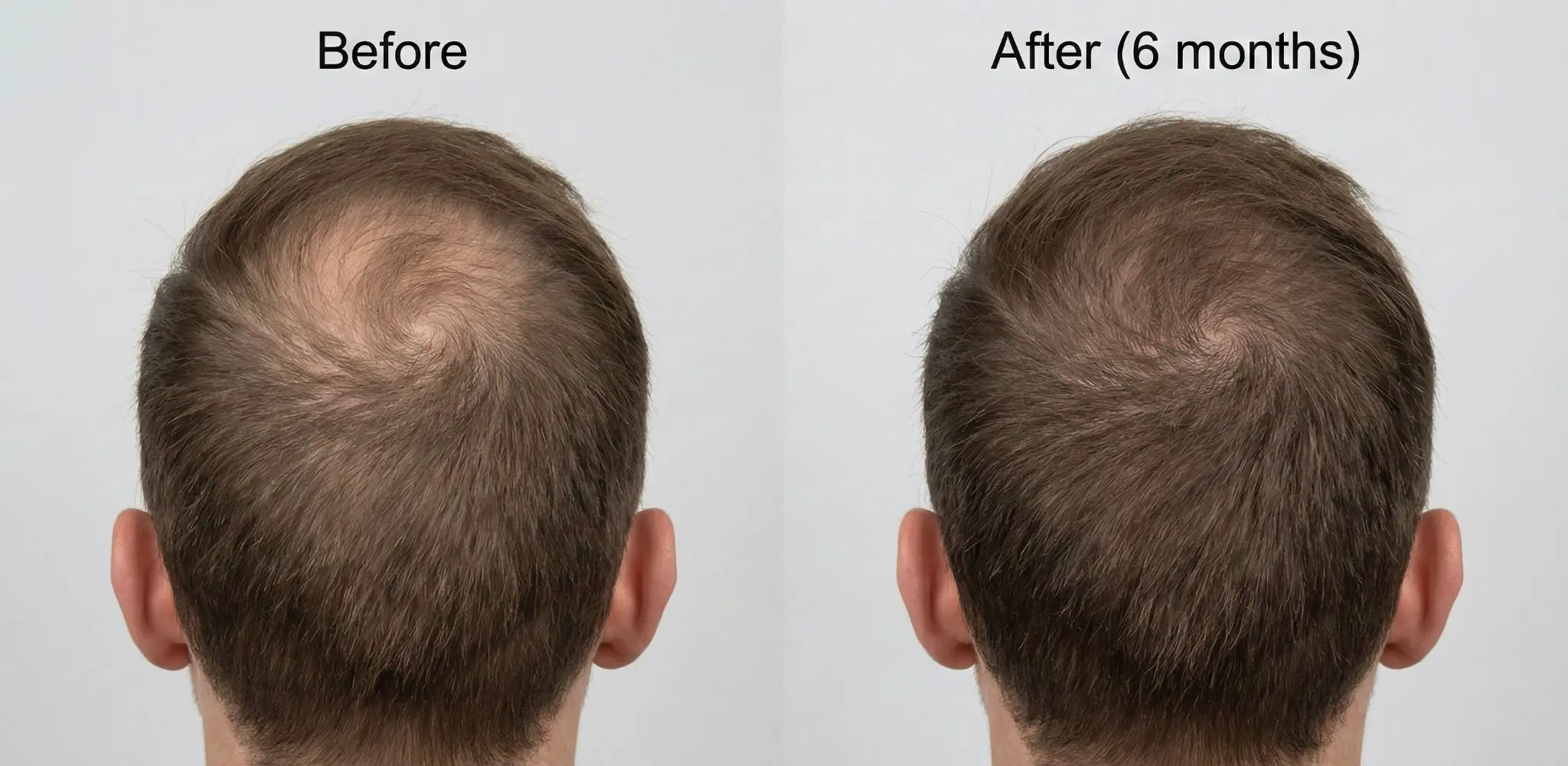
KeraLase delivers effective results for both male and female hair restoration patterns in Scottsdale.
Who Is a Good Candidate
- Early to moderate androgenetic alopecia: Most effective when hair loss is in early stages with visible thinning but intact follicular units.
- Diffuse thinning: Overall hair density loss across the scalp rather than localized baldness.
- Hormonal hair thinning: Effective for women experiencing hormonal fluctuations or thyroid-related hair loss.
- Postpartum shedding: Accelerates recovery from telogen effluvium by supporting follicle recovery.
- Non-injection preference: For those seeking hair restoration without injections or oral medications.
Visible improvement in hair density emerges within 8-12 weeks of consistent KeraLase treatment.
What to Expect
Sessions: 6-12 treatments spaced 2-4 weeks apart, 20-30 minutes each.
During treatment: Gentle warming sensation on scalp, painless and well-tolerated. Some patients experience increased shedding 2-4 weeks after starting, which is normal and resolves within 4-6 weeks.
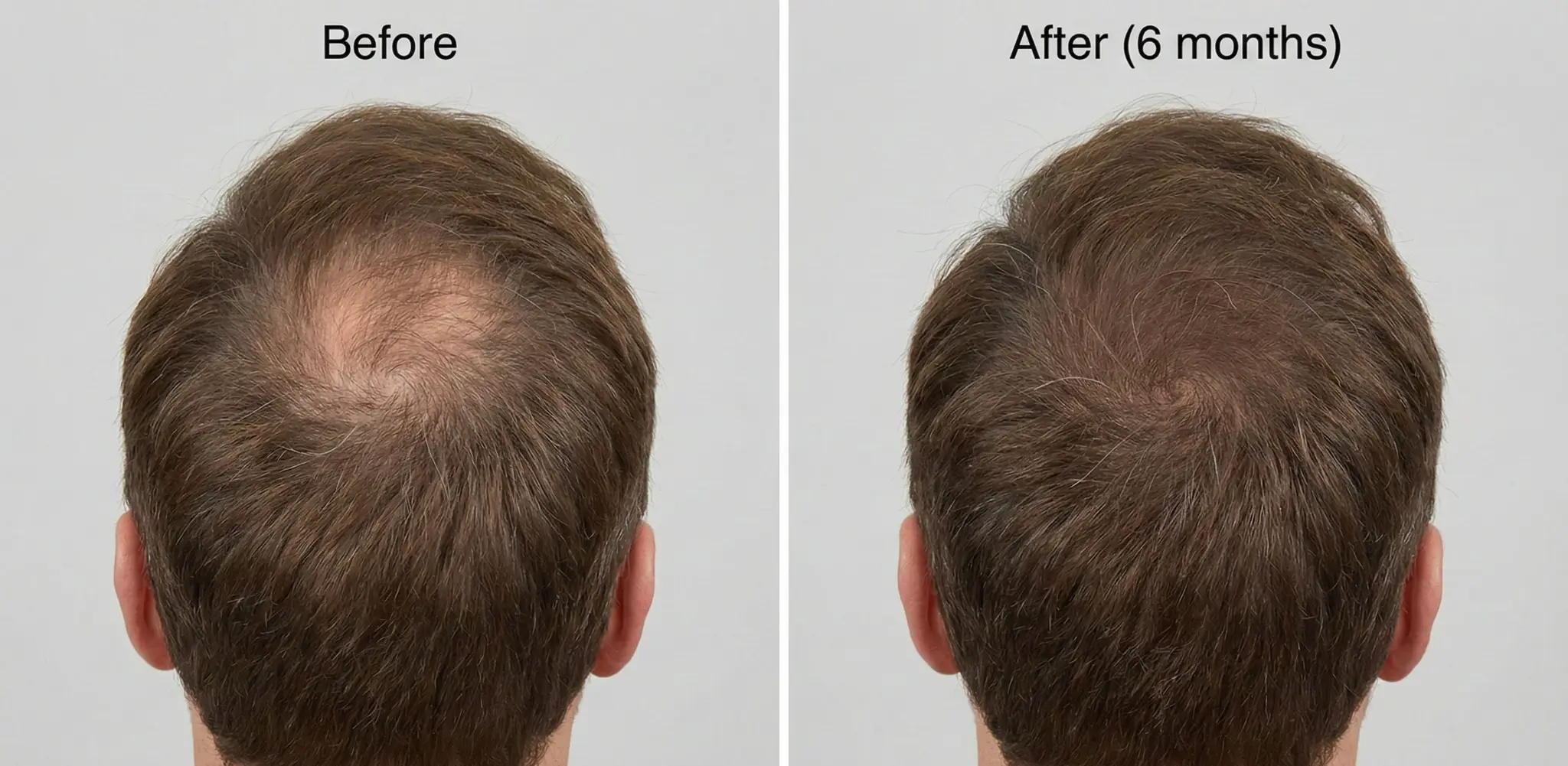
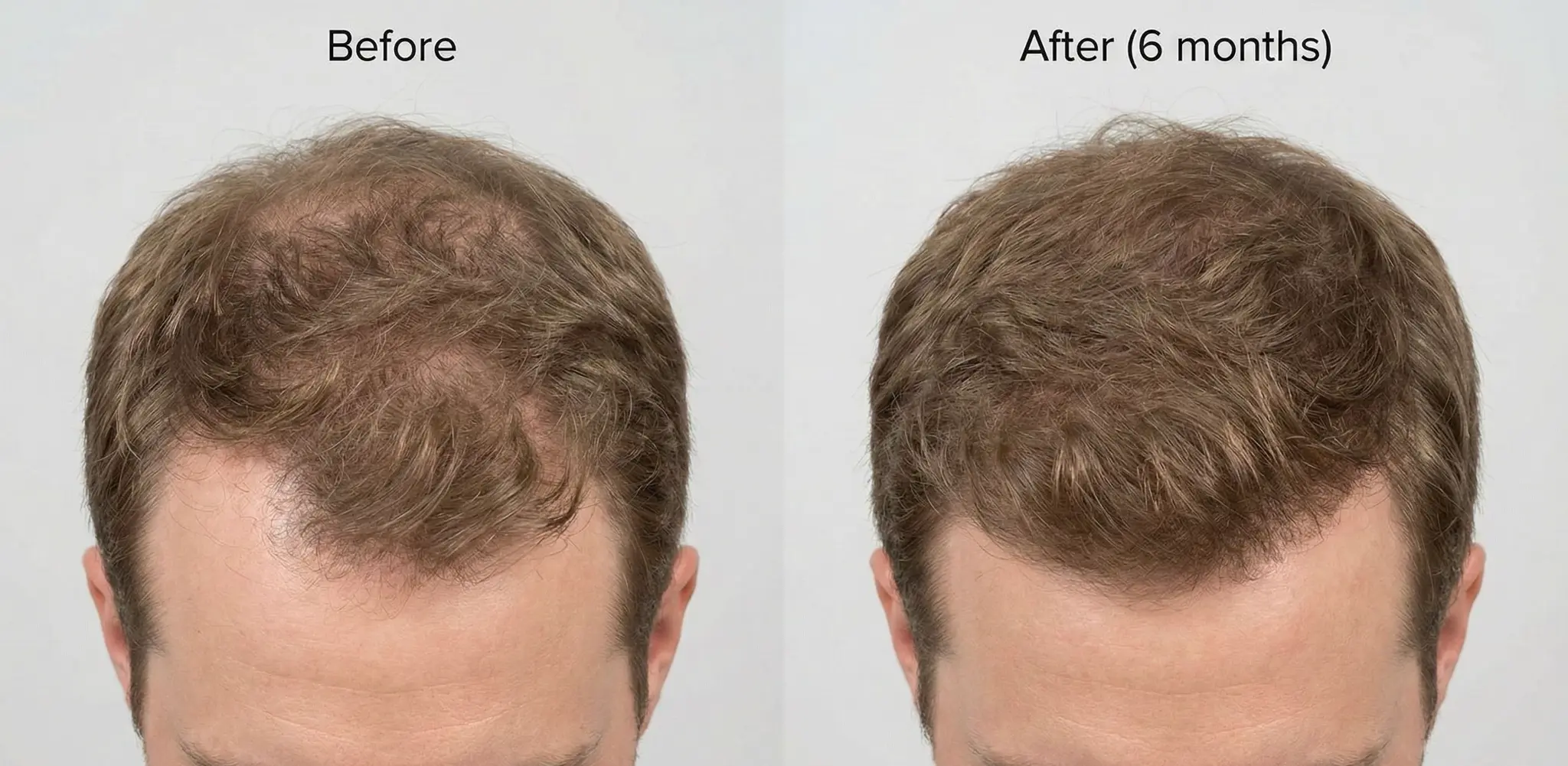
Timeline: Weeks 1-4 scalp feels healthier; weeks 4-8 new growth begins and shedding resolves; weeks 8-12 visible density improvement emerges; weeks 12-24 continued improvement with optimal results by 6 months.
Results vary based on age, degree of hair loss, genetics, and treatment adherence. KeraLase works best combined with supportive hair health practices.
Six-month outcomes demonstrate sustained improvement with continued KeraLase maintenance in Scottsdale.
Key Benefits
Non-Injection Hair Restoration
Laser-assisted topical delivery without needles, blood processing, or injection-related discomfort. Ideal for patients seeking non-invasive alternatives to PRP.
Enhanced Topical Absorption
Fractional laser creates temporary microchannels that significantly improve scalp permeability and bioavailability of hair growth factors.
Improved Scalp Microenvironment
Stimulates microcirculation and cellular responses that support follicular health and hair cycle progression.
Painless and Comfortable
Completely painless treatment with minimal to no downtime. Mild erythema resolves within 1-2 hours.
Effective for Multiple Hair Loss Patterns
Works for androgenetic alopecia (male and female), diffuse thinning, hormonal hair loss, and postpartum shedding.
Non-Pharmaceutical Option
Offers hair restoration without oral medications, hormonal interventions, or systemic side effects.
"I noticed visible improvement in hair density within 3 months. The treatment is painless and fits easily into my schedule. Highly recommend."
Sarah, 36
"After postpartum hair loss, KeraLase helped me regain confidence. No needles, no downtime-exactly what I needed."
Michelle, 32
"I was skeptical about non-injection hair restoration, but the results speak for themselves. My hairline is noticeably thicker."
David, 44
Frequently Asked Questions
How does KeraLase differ from low-level laser therapy (LLLT)?
KeraLase uses fractional non-ablative laser technology combined with topical therapeutics, creating temporary microchannels that enhance scalp permeability. This is distinct from traditional low-level laser therapy (LLLT), which uses continuous wave lasers without creating microchannels. KeraLase's fractional approach provides superior topical absorption and more direct follicular stimulation.
What is the mechanism of temporary shedding?
Temporary shedding 2-4 weeks after starting KeraLase is a normal response called telogen synchronization. The treatment stimulates hair cycle progression, causing telogen (resting phase) hairs to shed and make room for new anagen (growth phase) hairs. This shedding typically resolves within 4-6 weeks and indicates the treatment is working.
How many sessions do I need?
Most patients benefit from 6-12 sessions spaced 2-4 weeks apart. Your provider will customize the treatment plan based on your degree of hair loss, hair type, and individual response. Maintenance sessions (1-2 per month) are recommended to sustain results.
When will I see results?
Initial improvements in scalp health and hair texture occur within 2-4 weeks. Visible density improvement becomes apparent by 8-12 weeks as new hair grows in. Optimal results are typically achieved by 6 months of consistent treatment.
Is KeraLase safe for all hair types and skin tones?
Yes. KeraLase is safe for all hair types, textures, and skin tones. The fractional non-ablative laser can be customized for different scalp conditions and skin sensitivities. There is no risk of post-inflammatory hyperpigmentation.
Can I combine KeraLase with other hair loss treatments?
Yes. KeraLase works synergistically with finasteride (Propecia), minoxidil (Rogaine), PRP, and topical hair growth serums. Combining approaches often yields superior results compared to single-modality treatment.
What is the downtime?
KeraLase has minimal to no downtime. Mild erythema (redness) may occur for 1-2 hours post-treatment. You can return to normal activities immediately, including exercise, showering, and styling your hair.
Is KeraLase painful?
No. KeraLase is completely painless. You'll feel a gentle warming sensation on the scalp during treatment. The procedure is well-tolerated and relaxing for most patients.
How long do results last?
Results are sustained with ongoing maintenance treatment. Most patients continue with 1-2 maintenance sessions per month to maintain hair density improvements. Without maintenance, results gradually diminish over 3-6 months.
Is KeraLase better than PRP for hair restoration?
KeraLase and PRP are different modalities with distinct advantages. KeraLase is non-injection, painless, and requires no downtime. PRP involves injections and may be more aggressive for advanced hair loss. Your provider can recommend the best option based on your hair loss stage and preferences.
Ready to Get Started?
Schedule your consultation with our Scottsdale laser specialists to discuss your goals and create a personalized treatment plan.
BOOK YOUR CONSULTATION
